Featured insights

Felipe Dias Ercsc5nef2c Unsplash

How does Australia’s climate transition impact human rights?

While rapid decarbonisation is critical, Australia’s climate transition currently has a human rights blind spot: modern slavery risk in critical mineral and renewable energy supply chains. To remedy this, Fiona David, Fair Futures Founder, and Shannon Hobbs examine the concept of 'Climate Justice' and how it must shape Australia’s national climate plans. Drawing on forensic data regarding solar and battery supply chains, this analysis explores why Australia must move beyond passing references to human rights to ensure the Just Transition to net zero is both rapid and fair.

Read
People Working In A Factory (1)

What is a living wage and why is it essential for responsible business?

A living wage is no longer a luxury; it is the foundational 'social equivalent to Net Zero' for responsible business. Aligning with the 2024 ILO definition, a living wage ensures workers and their families afford a decent standard of living during normal working hour - a benchmark that current statutory minimum wages fail to meet by 30% to 70%.

Drawing on industry leaders like Unilever and Fairphone, Fair Futures Founder Fiona David and Shannon Hobbs outline the ROI of living wages: reducing modern slavery risk, increasing supply chain resilience, and boosting worker productivity. By embedding living wages into the core of commercial operations, businesses can move beyond simple compliance towards true social sustainability.

Read

More insights

Sulfide Nickel Ore Rock

Critical minerals and the case for human rights in the just transition

Fiona David and Shannon Hobbs analyse the hidden human rights risks in the nickel and critical minerals industries. As the global race for renewables intensifies, this analysis warns that poor labour standards in the green transition risk repeating past industrial mistakes. Drawing on forensic insights into the nickel industry, the authors explain why embedding human rights into the just transition is a commercial and ethical necessity for businesses navigating the move to net zero. Originally published by the Lowy Institute’s The Interpreter

Read
Solar Panel Manufacturing

Can Australia's SunShot program help reduce risk of forced labour?

The Federal Government's SunShot Solar Program has the objective of developing Australia's solar manufacturing industry. While the focus is on helping Australia achieve its economic and environmental goals, the program offers important opportunities to reduce Australia's current dependence on solar supply chains that may be impacted by forced labour. In our consultation response, we made three important recommendations that will enable the program to achieve its existing goals, while also addressing a major human rights risk that currently afflicts solar panel supply chains globally.

Read
Made In Australia Package

A Future Made in Australia: Does the PM's industrial agenda offer hope for labour and human rights?

Can Australia's new industrial agenda drive positive social change? Fiona David analyses the Future Made in Australia Act through a human rights lens, questioning if the Australian Prime Minister's principles go far enough to secure 'clean' supply chains. From quartz deposits to living wages, this insight reveals why Australia's comparative advantage lies in our environmental and labour standards. Explore three policy shifts required to align Australia’s manufacturing boom with global human rights benchmarks.

Read
Untitled Design (1)

Survivor insights: Australia's proposed Anti-Slavery Commissioner

As Australia establishes its first Federal Anti-Slavery Commissioner, Fiona David and Sherry Wanjiru explore the 'missing link' in current legislation: direct survivor engagement. Drawing on in-depth interviews with people with lived experience, this article outlines how the Commissioner can unify the fractured anti-slavery sector and break down barriers to support. Learn why survivor-led co-design is essential for building a trauma-informed national response that delivers genuine functional autonomy for victims.

Read
Marcus Lindstrom Electric Vehicles

How can Australia's human rights infrastructure better enable the net zero transition?

Is Australia’s legal framework ready for the net-zero race? As demand for critical minerals like cobalt and lithium skyrockets, Australia remains vulnerable to international supply chains deeply embedded with human rights risks. Fair Futures Founder Fiona David and Dr David Tickler argue that a rapid energy transition must not come at the cost of human rights. This analysis outlines three essential steps for Australia - including a national Human Rights Act and mandatory human rights due diligence - to bring the nation into line with global standards and ensure a truly just transition to a green economy.

Read
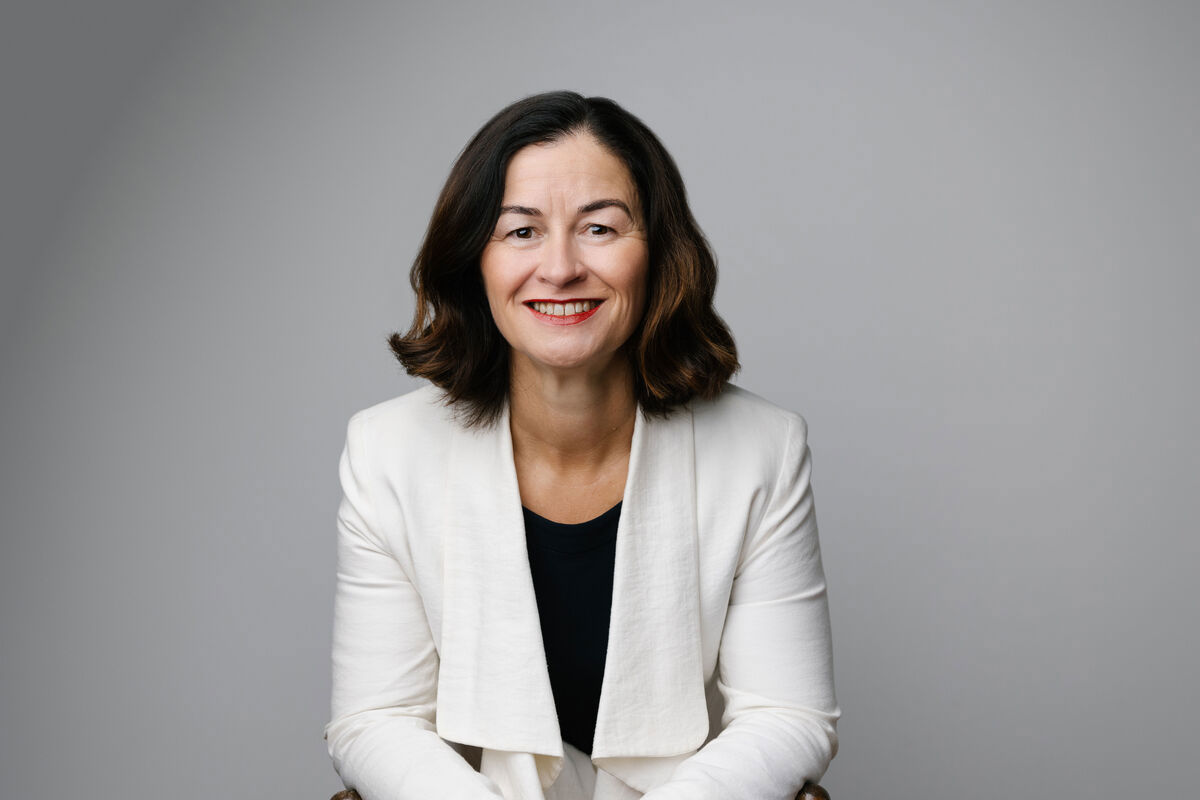
Fiona David, Principal of Fair Futures and human rights governance expert.

Are you looking to safeguard your business and secure impact? Let’s start a conversation.

Contact Fair Futures